PLA from Norwegian surplus wheat
Today we make our filament from carefully selected PLA raw material that we refine in Manger. Our long-term goal is more ambitious: PLA based entirely on Norwegian surplus wheat, so that the whole value chain, from field to finished spool, can be Norwegian.
What is surplus wheat?
Surplus wheat is grain that does not meet the requirements for food production, for example because of weather during harvest or quality deviations. Today much of it goes to animal feed or simply becomes a residual product. Yet the grain contains exactly what PLA is made from: starch. Lifting a Norwegian residual product out of the field and into industrial production of 3D printing filament is, as we see it, local sustainability in practice.
Every year large quantities of Norwegian wheat are discarded because of some mould, or because the grain is too damp, and damp grain is exactly what mould and bacteria thrive on. It is then considered unfit for food and even for animal feed. But the grain still holds the valuable raw material we need: starch that can be refined into lactic acid and polymerised into the bioplastic PLA, an excellent material for 3D printing. Instead of becoming waste, the grain can become a Norwegian-made high quality material.
The figure is an estimate based on how much Norwegian food grain is downgraded or discarded each year because of weather, moisture and mould.
Does mould end up in the plastic?
No. The path from grain to finished PLA is a demanding chemical process with more than 20 steps: fermentation, purification, splitting, melting and polymerisation. The purification is so thorough that not even trace amounts of mould or other impurities remain in the finished material. The starch is broken all the way down and rebuilt into pure polymer chains, so the finished filament is chemically pure regardless of what kind of grain it started as.
From field to filament, step by step
Why is it difficult?
- From grain to plastic is many stepsThe starch has to come out of the grain, be converted into sugar, fermented into lactic acid, and only then polymerised into PLA. Every step needs its own equipment and its own expertise.
- The industry does not exist in Norway yetThere is currently no full scale Norwegian production chain for PLA. Parts of the process have to be developed or built from scratch, and that takes time.
- The quality has to be at least as goodFilament places strict demands on purity and consistency. A new raw material source has to prove it delivers the same even diameter and flow as our current PLA before we put it into production.
- Volume and economicsThe raw material is not the problem: the supply of surplus wheat is stable, very large and cheap. The challenge is that PLA is expensive to produce in small volumes and only becomes cheap at mass production scale. For Norwegian-made PLA to be economically sound we therefore need strong PLA sales in the Norwegian market first, so we can move from finished construction drawings to actual production. We are working towards support from Innovation Norway, or a loan, to scale up and begin pilot testing of lactic acid and PLA production.
How we are working on it
The construction drawings are ready: we have finished drawings for the reactors that will run pilot tests all the way from Norwegian wheat to pure, high quality PLA. They were developed by world class chemists with long experience from polymerisation production, and build on the same principles used by the world's largest PLA plants in China today, scaled down to a size we can test and learn from. The next step is getting the reactors in place, an investment we are working to finance. It is a long road, but every step takes us closer to a fully Norwegian filament.

The equipment we want to build up
This is the kind of equipment we want to acquire in order to start a small scale production facility for PLA from Norwegian surplus wheat: polymerisation reactors for lactic acid, and an automated small scale fermentation setup for the bacteria that split the sugar into lactic acid.
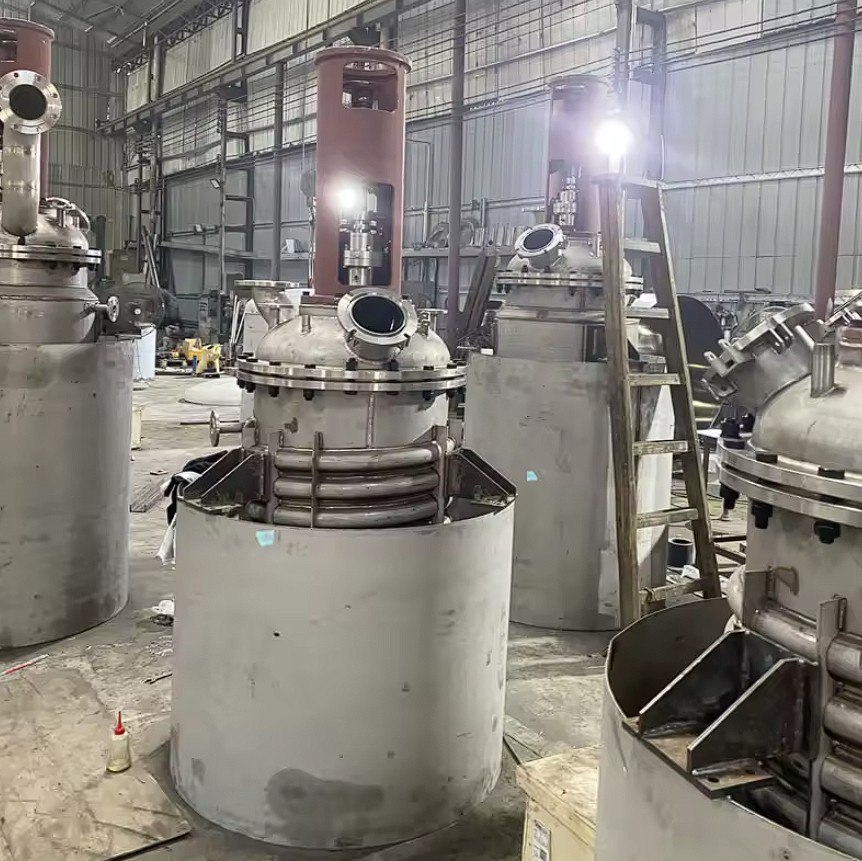
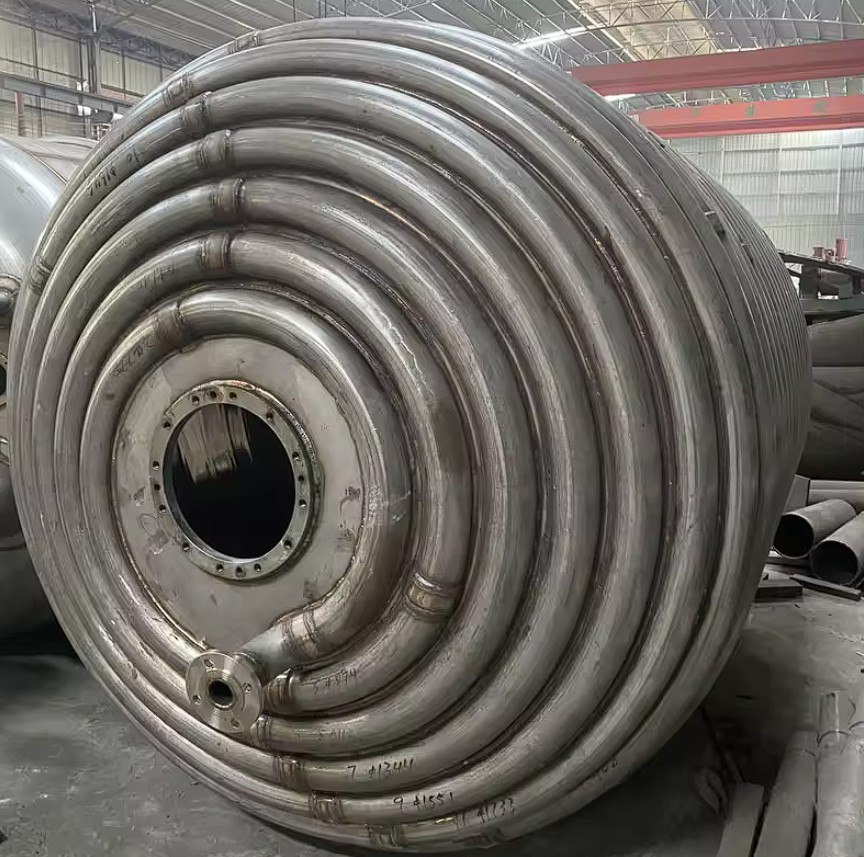
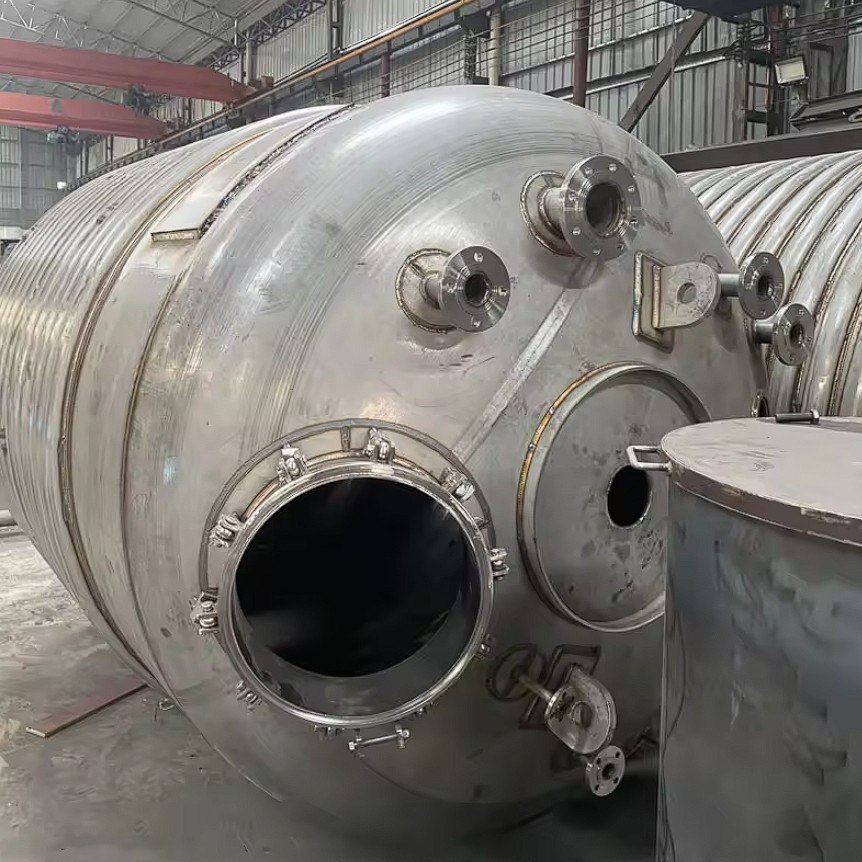
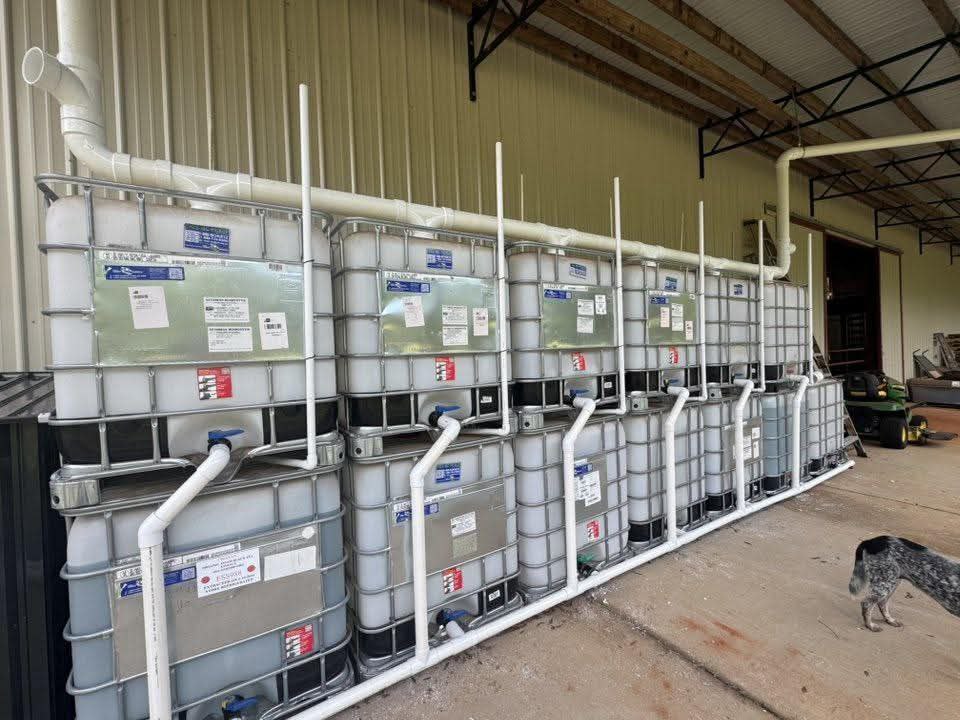
The photos are not our own, but show the type of equipment we want to acquire to get started.
What we hope to achieve
Our goal is to sell PLA filament at around 79 kroner a kilo, made from lactic acid and polymer produced in Norway from Norwegian surplus wheat. The whole value chain, from the field to the finished spool, would then be Norwegian.
How big is the market?
That is how much PLA the European market uses annually, across food packaging, disposable cutlery and 3D printing filament. Almost all of it is imported today. A Norwegian plant does not need to take a large share of this to sell everything it makes: even a fraction of the market is far more than a pilot production can deliver.
A shorter route than from China
Today most of the PLA used in Europe is shipped here from Asia. From Manger the route to a European customer warehouse is short, and that brings advantages that are not about price alone: delivery in days instead of weeks, less capital tied up in goods at sea, no uncertainty around tariffs and trade barriers, and a transport carbon footprint that is a different matter entirely from a container out of Shanghai.
We should be honest that sea freight from Asia is cheap per kilo, so transport alone does not make us competitive. The price has to be won in production. Proximity comes on top of that, as security of supply, traceability all the way back to the field, and considerably lower transport emissions.
What this means for you
Nothing changes in the products you buy today. They are still made from carefully selected PLA raw material with full control in our own factory. But when you shop with us, you also support the work of building a Norwegian, circular raw material chain for 3D printing.
